A Higgsfield alternative for brands that sell real garments
Higgsfield is one of the best places to get a cinematic look out of AI. But cinema and catalogue are two different jobs. If the image has to show the garment you actually ship, on a product page and in a campaign, generation from a prompt is the wrong starting point. That is where rIMAGEx comes in.
In short
Higgsfield generates: video and image models, cinematic camera controls and striking results from a description. rIMAGEx starts from a photo of the garment you sell and turns it into an on-model workflow for e-commerce views and campaign shots. The practical distinction is creative generation versus product-led production; in both cases, review the output before publishing.
Written by Marco Conte, fashion photographer and founder of rIMAGEx, Milan. Published 21 July 2026; updated 4 August 2026 with clearer product-verification guidance.
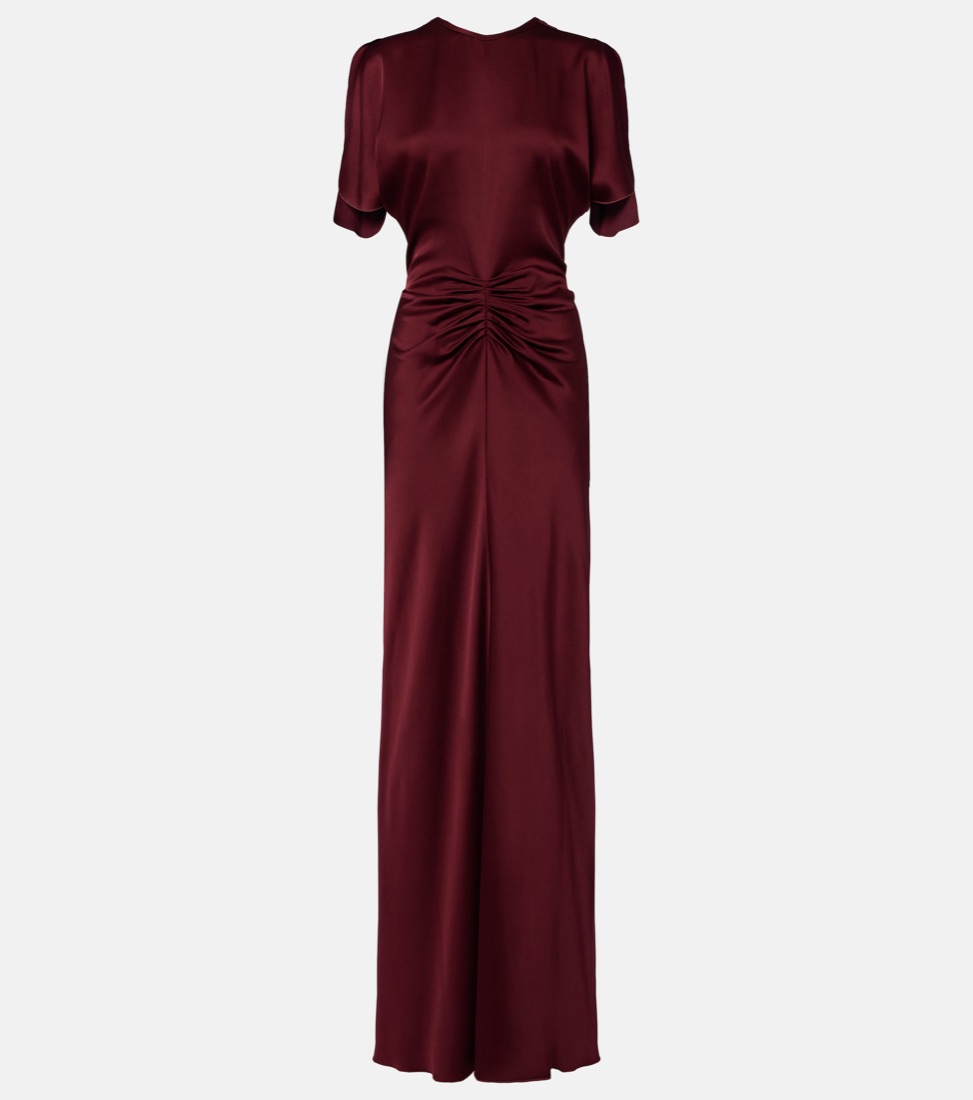
Real garment
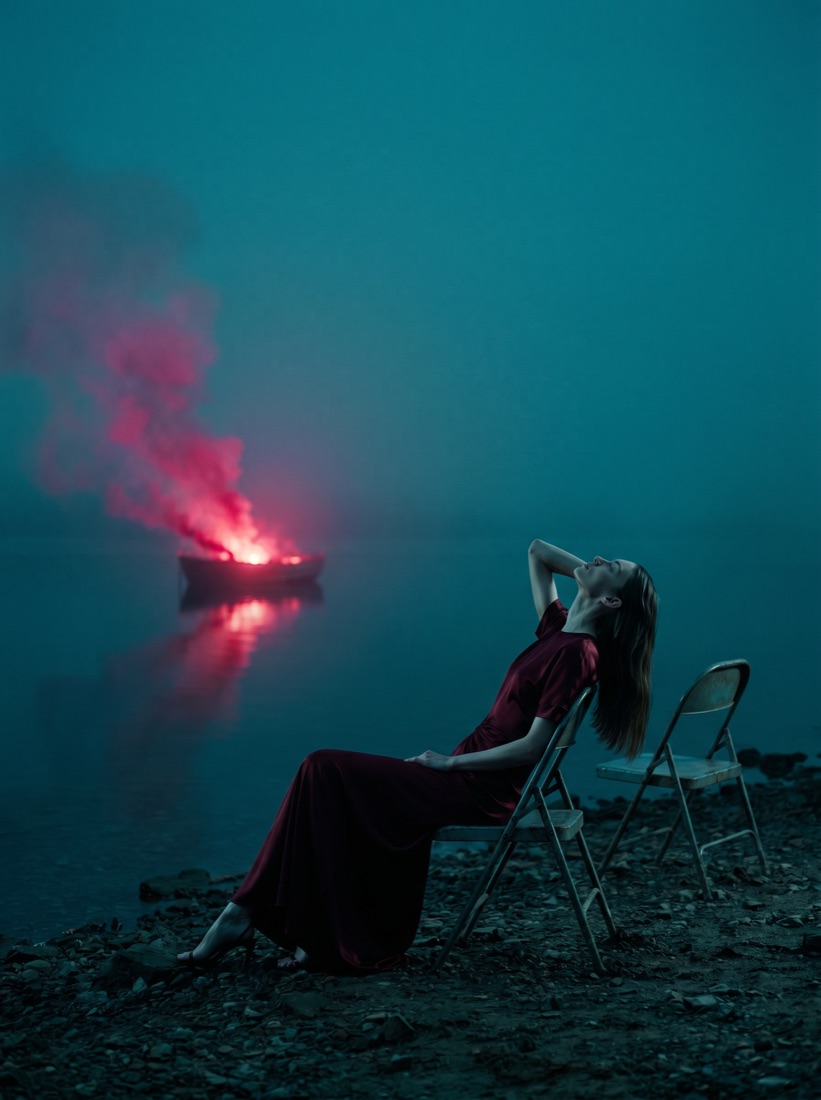
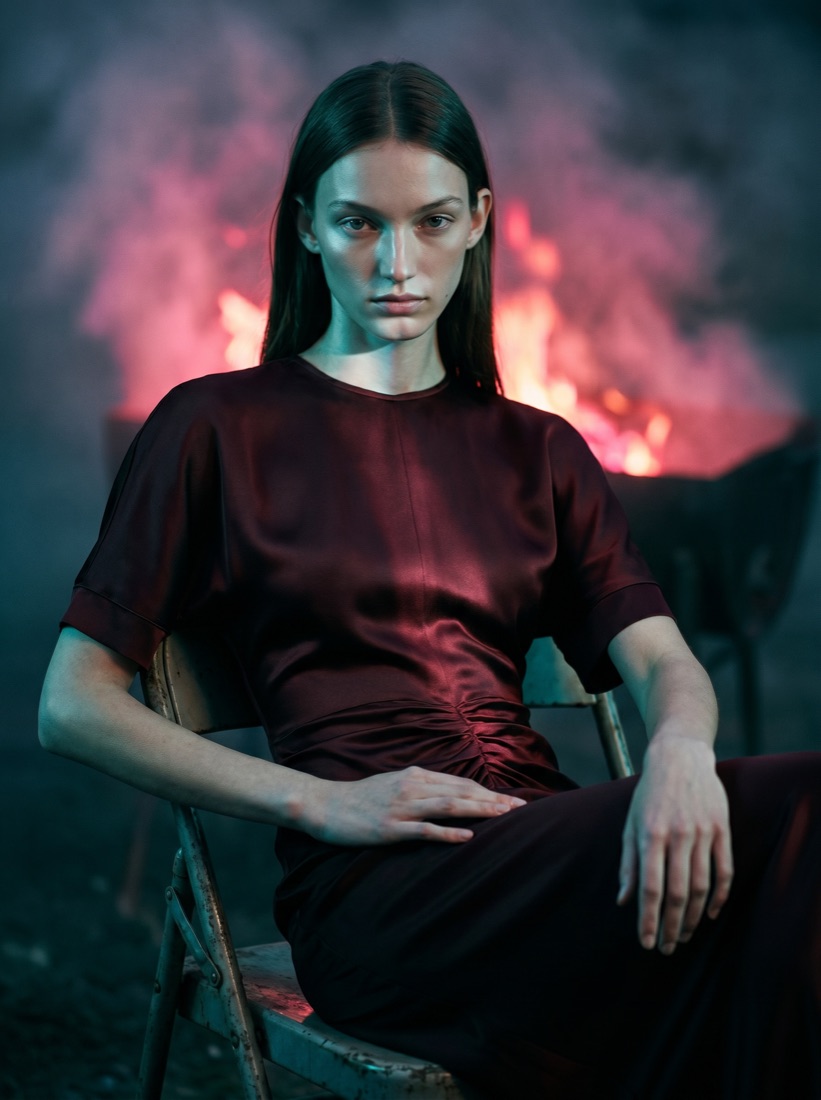
Generated in rIMAGEx, same dress
What Higgsfield is good at
Higgsfield bundles a large set of video and image models under a single subscription and puts real camera language on top of them: dolly, crane, push-in, dozens of presets that behave like an actual shot list. For motion, atmosphere and social pieces that need to feel filmed rather than rendered, it is a strong tool and the results speak for themselves.
It is priced as a creative studio too: plans run from an entry tier to heavier ones, with credits that the premium video models consume quickly. That maths works when the deliverable is a video. It works less well when you need forty product images by Friday.
Where it stops for fashion
Higgsfield is built to invent a beautiful frame. On a product page you need the opposite: an image that is boringly, exactly the item in the warehouse. Prompt-driven generation cannot guarantee that, and it is not a bug, it is what the tool is for.
- The garment drifts. Prints shift, buttons move, a seam appears where your sample has none. Close to your product, never it.
- The face changes between shots. A product page with four views needs one model, not four different women wearing similar clothes.
- It is not built around the catalogue. Front, back, three-quarter, detail, repeated across dozens of SKUs, is a production job, not a creative session.
- Credits go into motion. The premium video models eat the plan fast, which is the right trade for a film and the wrong one for a season of packshots.
What rIMAGEx does differently
- It starts from your product, a photo of the real garment or your own sketch, and keeps it faithful down to the stitching.
- Same model across every view, so a product page and a campaign hold together instead of looking like four separate shoots.
- E-commerce and editorial from one upload: packshots for the PDP and campaign imagery with mood, lighting and location.
- Sketch Studio reads a drawing into an editable tech sheet with fabric references, for pieces that exist on paper and not yet in a sample room.
- The images are yours, usable commercially, art-directed by a fashion photographer so they read like a real shoot.
rIMAGEx vs Higgsfield at a glance
| Criterion | Higgsfield | rIMAGEx |
|---|---|---|
| Core job | Cinematic video and images from a prompt | Reproduce your real garment |
| Real garment as input | Reference-led generation | Core workflow |
| Same model across views | No | Yes, continuity across the set |
| E-commerce packshots | Not the focus | Front, back, three-quarter, detail |
| Editorial campaigns | Yes, strong cinematic look | Yes, from the real garment |
| Catalogues and batches | No | Yes, built for volume |
| Start from a sketch | As loose inspiration | Sketch Studio + editable tech sheet |
| Best for | Motion, mood, social film | Selling a specific garment |
Who each one is for (honestly)
Choose Higgsfield when the deliverable is motion and atmosphere: a teaser, a social clip, a mood film where nothing has to match a real sample. Nothing in rIMAGEx competes with a good cinematic sequence.
Choose rIMAGEx when the image has a job to do commercially: a product page, a lookbook, a campaign around a piece that exists and has to be recognisable. The two are not really rivals, they sit at opposite ends of the same production.
How rIMAGEx works
- You upload your garment photo or your sketch.
- You control the result with an editable tech sheet and fabric references.
- rIMAGEx builds the faithful garment on the model.
- You get e-commerce shots and a campaign, ready to sell.
Frequently asked questions
What is the difference between rIMAGEx and Higgsfield?
Higgsfield is a creative platform that bundles many video and image models under one subscription, with cinematic camera controls. It generates striking footage and stills from a prompt. rIMAGEx starts from the opposite end: you upload the photo of your real garment, or your sketch, and it reproduces that exact piece on a model, across e-commerce views and campaign shots, keeping the same face throughout.
Can Higgsfield keep my garment identical across shots?
Not by design. Prompt-driven generation produces a plausible garment, not a copy of a specific product: prints, buttons, cuts and proportions drift between images, and the model's face changes from shot to shot. For a product page, where every view has to show the same item, that drift is disqualifying.
Is Higgsfield worth it for a fashion brand?
It is worth it when the job is motion, atmosphere and cinematic look: social videos, teasers, mood pieces where nothing has to match a real SKU. It is the wrong tool when the image has to sell a specific garment, because fidelity to the product is not what it optimises for.
Is rIMAGEx a good Higgsfield alternative?
For fashion e-commerce and campaigns built on real products, rIMAGEx offers a workflow that begins with the garment photo and produces product-page and editorial imagery. If you need cinematic video rather than product-led imagery, Higgsfield may be the better fit.